

TOPHC 2026 Regional Convention: Workshop 2
From Sequencing to Surveillance: Interpreting Genomic Data for Public Health
Thursday, May 28, 2026
Welcome Message
Welcome to Workshop 2 of the TOPHC 2026 Regional Convention being held in London, Ontario on May 28, 2026. We are delighted to have you join us for a full day of learning. To kick things off, we invite you to watch a special welcome message from Michael Sherar, Public Health Ontario President and Chief Executive Officer.
You will also find everything you need to prepare for the convention, including session overview, classroom location, workshop materials, helpful maps and parking information below.
Workshop Description & Details
Genomics is rapidly becoming an integral part of routine public health and clinical practice for infectious diseases in Ontario. At Public Health Ontario (PHO), genomic data is routinely integrated with laboratory and epidemiological data, an emerging field called genomic epidemiology, which provides actionable insights into outbreaks, antimicrobial resistance (AMR), and broader pathogen transmissions patterns. Compared with traditional molecular and culture-based testing, genomic approaches offer higher resolution and faster turnaround times.
The goal of this workshop is to help attendees 1) understand how genomic epidemiology is applied within Ontario’s disease surveillance system, and 2) learn how to evaluate and interpret genomic data and phylogenetic analyses used for disease surveillance, outbreak support, and clinical decision making. This workshop is intended for individuals interested in learning about how genomics can support public health professionals and clinicians; and help attendees to learn how to interpret genome-based results, including phylogenetic trees, AMR predictions, and genomic surveillance or outbreak reports.
At the end of this workshop, attendees will be able to:
Describe - different approaches and technologies used for whole genome sequencing (WGS) of infectious disease pathogens.
Compare - genomic data outputs with traditional molecular methods, including applications for antimicrobial resistance detection and strain typing.
Interpret - genomic data used for outbreak management and response including quality control metrics, phylogenetic trees, clustering tools, and typing outputs.
Evaluate - AMR predictions from pathogen genomic data, including their strengths, limitations and practical implications.
Workshop Details
Date: May 28, 2026
Location: 1001 Fanshawe College Boulevard, London, Ontario, N5Y 5R6; Building B
Classroom: Building B, Classroom B1078
Registration Check-In: 8:15 a.m. in the James A. Colvin Atrium, Building B, B1046
Workshop Hours: 9:00 a.m. - 4:00 p.m.
Full Workshop Details: We are pleased to provide you with the following details ahead of the convention date to help better prepare you for the day.
Workshop Facilitators
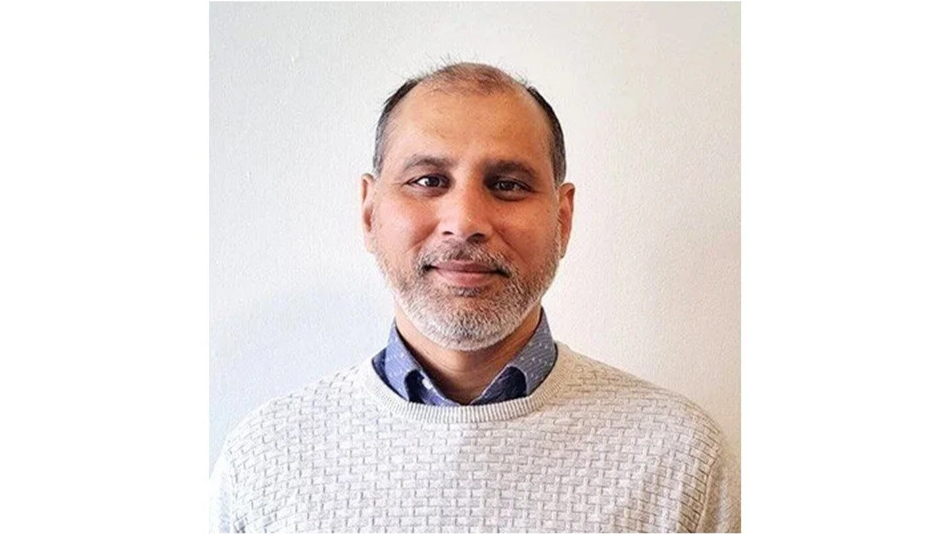
VENKATA DUVVURI, Ph.D., MPH
Scientist (Machine Learning), Public Health Ontario & Assistant Professor, University of Toronto
-
Venkata R. Duvvuri Ph.D., MPH. is an independent scientist (genomic epidemiology and machine learning) at Public Health Ontario and an Assistant Professor in the Department of Laboratory Medicine and Pathobiology at the University of Toronto. He leads a multidisciplinary research program focused on translating public health microbiology and genomics into actionable insights to support surveillance and decision-making. His research advances applied genomic epidemiology, with a focus on respiratory viruses (SARS-CoV-2, influenza, respiratory syncytial virus, enterovirus-D68), sexually transmitted infections (syphilis), and foodborne diseases (shigellosis). His interests include knowledge translation to support public health professionals in interpreting genomic, phylogenetic, and modelling outputs.
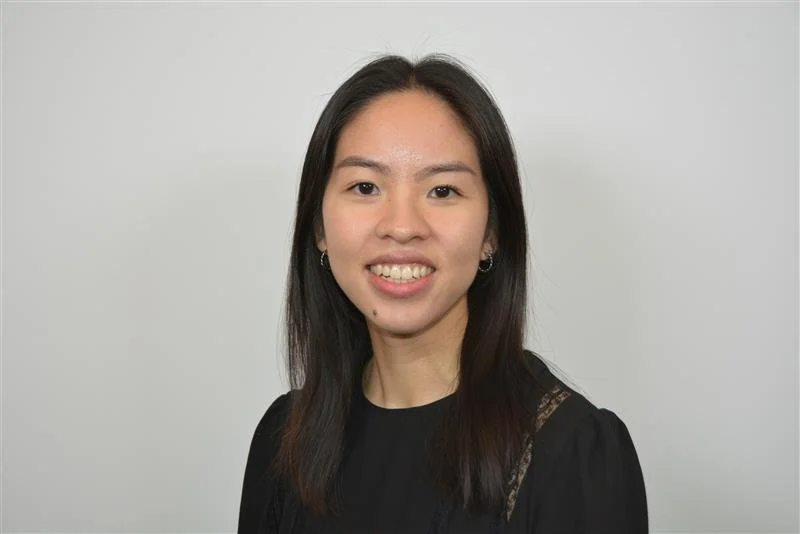
ANGELA MA, Ph.D., D(ABMM), FCCM
Clinical Microbiologist, Public Health Ontario & Assistant Professor, University of Toronto
-
Angela Ma, Ph.D., D(ABMM), FCCM is a Clinical Microbiologist at Public Health Ontario where she oversees laboratory testing for Mycobacteriology and an Assistant Professor in the Department of Laboratory Medicine and Pathobiology at the University of Toronto. She completed a CPEP fellowship at the University of Utah and ARUP Laboratories and is a diplomat of the American Board of Medical Microbiology and Fellow of the Canadian College of Microbiologists. Her research interests include molecular diagnostics and epidemiology, antimicrobial resistance, and applications for next generation sequencing to support microbiology diagnostics and public health.
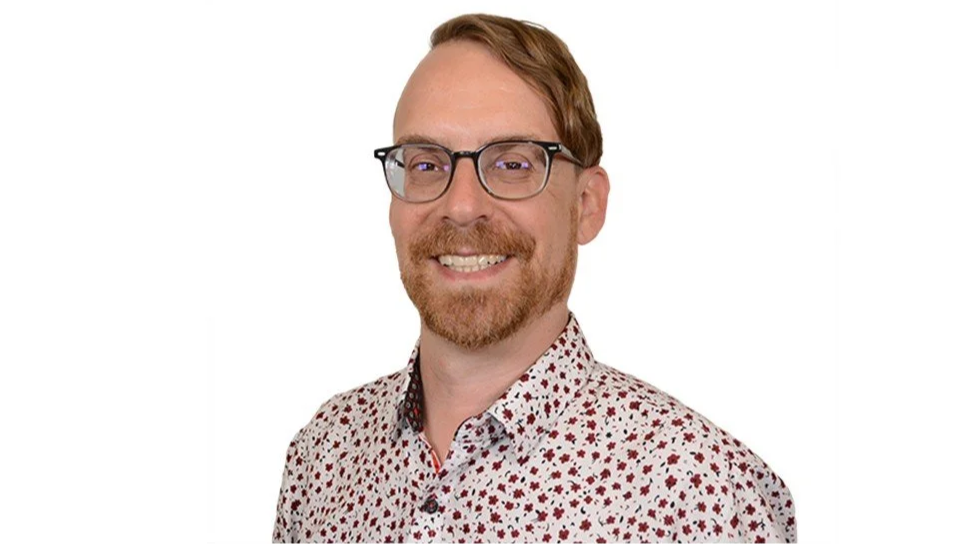
TOM BRAUKMANN, Ph.D.
-
Thomas Braukmann Ph.D. is a scientist (genomics) at Public Health Ontario and an Assistant Professor in the Department of Laboratory Medicine and Pathobiology at the University of Toronto. His research includes both experimental and bioinformatics approaches that focuses on the streamlining laboratory bioinformatic pipelines to investigate the molecular and genomic evolution of emerging infectious pathogens. He currently working on projects investigating the genomic epidemiology of measles and Mycobacterium tuberculosis. He is also interested in the evolution of zoonoses and emerging pathogens such as mpox, Lyme disease, and highly pathogenic avian influenza.
Scientist (Genomics), Public Health Ontario & Assistant Professor, University of Toronto
Workshop Agenda

-
James A. Colvin Atrium
Building B - 1st Floor - B1046
-
LOCATION: Classroom B1078
Speaker: Dr. Venkata Duvvuri
Welcome and Orientation
Why this workshop matters
Today’s roadmap
Meet the team
What participants will be able to do by 4 PM
What this workshop will NOT cover (no technical bioinformatics)
Logistics (bathrooms, lunch, breaks)
-
9:15 AM - 9:40 AM - Part 1: Introduction to Genomics
Speaker: Dr. Tom Braukmann
What is genomics including key terms
Sequencing methods and analysis
History of genomics and sequencing technologies
Why genomics?
9:50 AM - 10:30 AM - Part 2: Introduction to Genomic Epidemiology
Speaker: Dr. Tom Braukmann
What genomic epidemiology means
Determining genetic relatedness (and definition), strain and/or lineage tracking
Comparing traditional methods vs genomics: Typing, cgMLST, wgMLST, and SNP based analysis
Routine genomic surveillance - diseases
-
Refreshments will be located in the James A. Colvin Atrium.
Use this time to recharge and connect with colleagues!
-
10:45 AM - 11:25 AM - Part 1: Reading Evolutionary Relationships
Speaker: Dr. Venkata Duvvuri
Explain what phylogenetic trees show — and what they do not show
Interpret tips, nodes, branch lengths, clusters, and clades
Recognize how genomic data can support and improve public health investigations
Compare when to use trees, networks, and minimum spanning trees (MSTs)
Recognize common interpretation pitfalls and limitations
Apply genomic findings to public health questions and decisions
11:30 AM - 12:00 PM - Part 2: Panel Discussion
Speakers:
Dr. Venkata Duvvuri
Dr. Tom Braukmann
Dr. Angela Ma
-
A light lunch will be served in the James. A. Colvin Atrium
B Building - 1st Floor - B1046
-
1:00 PM - 1:40 PM- Part 1: Genomic AMR Predictions: Opportunities, Limitations, and Interpretation
Speaker: Dr. Angela Ma
Discuss the mechanisms of antimicrobial resistance (AMR) and methods for detection
Interpret genotypic AMR predictions by whole genome sequencing
Examine PHO’s genotypic AMR predictions for clinical and public health applications
Tuberculosis
Group A Streptococcus disease
1:45 PM - 2:15 PM - Part 2. From Genomes to Action: Translating Phylogenetics into Public Health Insight
Speaker: Dr. Venkata Duvvuri
Use genomic data to answer key public health questions about transmission and spread
Distinguish between local transmission and multiple introductions
Integrate genomic findings with epidemiological and contextual data
Apply genomic insights to inform public health action
-
Refreshments will be located in the James A. Colvin Atrium.
Use this time to recharge and connect with colleagues!
-
Speakers: Drs. Angela Ma, Tom Braukmann, and Venkata Duvvuri
Part 1: Poster walk and group learning
Walk through all posters
Participants are divided into groups and assigned a specific pathogen
Groups focus on assigned poster
Part 2: Groups discuss assigned poster, plan presentation
Address questions associated with each poster (Influenza, EV-D68, RSV, Mpox and TB)
Part 3: Group synthesis and presentation of what has been learned from part 2. Each group summarizes within a 5-minute presentation
Key insights from their assigned pathogen
How genomics informed public health action
Any limitations or challenges
-
A summary of the session will be provided.
Workshop Resources

-
Click here to download the resource.
-
Click here to download the resource.
-
Click here to download the resource.
-
Click here to download the resource.
-
Click here to download the resource.
Conference Map, Classroom Location & Parking Information
We’re excited to welcome you to the TOPHC 2026 Regional Convention at Fanshawe College in London, Ontario!
To help you plan your arrival, you can download a campus map by clicking here. Please note that Fanshawe College Boulevard is currently closed due to construction, so we recommend entering campus via Cheapside Street. Parking is available in Lot 5 (General Parking), where a parking attendant will be on-site at the north entrance from 7:00 a.m. to 10:00 a.m. When you arrive, simply let them know you are attending the TOPHC Convention, and have a paper or electronic copy of your ticket handy just in case.
The convention will take place in Building B. Once you arrive on campus, please make your way to the James A. Colvin Atrium, where registration begins at 8:15 a.m. You’ll be able to sign in and pick up your name badge before heading to your classroom. Our workshop will begin promptly at 9:00 a.m.
On the campus map, you’ll find the locations of the atrium, washrooms, and your workshop classroom clearly marked. TOPHC staff will be on-site throughout the morning to assist with registration and answer any questions you may have.
We look forward to welcoming you in person and are excited to see you on May 28th in London, Ontario!
Fanshawe College: 1001 Fanshawe College Boulevard, London, Ontario
TOPHC 2026 Regional Convention will be held in BUILDING B.
Frequently Asked Questions
Still have questions? Take a look at the full conference FAQ or reach out anytime. Here are some common workshop question and answers.
-
You may check-in at the TOPHC Registration desk, located in the James A. Colvin Atrium, inside Building B of the Fanshawe College campus.
-
TOPHC 2026 Regional Convention - Workshop 1 will take place in Building B, lecture room B1078.
-
Yes, complimentary Wi-Fi is available
-
A light lunch will be available for all registered workshop guests. Lunch will be held from 12:00 p.m. - 1:00 p.m. in the James A. Colvin Atrium.
-
TOPHC 2026 registrants are asked to park in Lot 5 of the Fanshawe College Campus. Please advise the parking attendant that you are attending the TOPHC Convention.
-
Electronic copies of this workshop’s materials are available on this page. Please be mindful of the environment when printing materials.